

“Who belongs? Who decides who’s crazy?” — Billy Corgan, Smashing Pumpkins
I switched to a plant-based diet overnight in 2002. It was kind of scary for me at the time. Sometimes people assume that if you are vegan, you were vegetarian first or that you are a whole different animal. Are all adult vegans previously little kids who loved salad? I don’t think so. I didn’t know how to cook anything vegan. I loved to cook and eat. I was actually famously enamored with Oscar Mayer hot dogs in my youth. Brie cheese melted on French bread was my favorite late-night indulgence after partying in college. I did not fit the stereotype and I did not have a slow and steady progression from one lifestyle to another. Indeed, I had pork chops in my fridge when I committed to this overnight shift in 2002. I felt awkward and lonely at the first holidays after 25 years as an omnivore. What I might eat next was a minor concern compared with my fear of losing membership to the group. But I still forged ahead. Because I felt like I had been greeted by an angel in the night who delivered a message to my soul. It had nothing to do with what was yummy or what felt comfortable. It was just something I knew I needed to do whether or not I could back up the choice with a thesis or citations. Going vegan overnight and then living with the effects of that identity has given me a lot of empathy and compassion for anyone who has felt set apart and then experienced isolation as a result. Even when no one means to shun you or judge your dietary choices, it can feel disheartening to keep finding yourself alone in the specialty section looking for soup.
I am a philosopher by training and by nature. I have always been since I was a young person. Somehow my life has continually brought me to resonate with a core experience best summed up by the looking-glass theory. This cultural theory has nothing to do with whether we look good today or any other whimsical ideas. Rather, this theory describes the complex interplay between our identity and our connection to other humans. It is about how we can come to see our very own reflection warped by misperceptions and vice versa. Over and over in my life I have been perceived as being or saying something different than what I saw or said. I have also been described as having “changed” or shape shifted in ways that made no sense to me at all. But all along, my truth, integrity, and reality have remained steady, internally coherent, and rooted in my body.
How could an experience of being lost in translation happen over and over to someone who loves to communicate as much as I do?! Because mislabels and misperceptions often have nothing to do with verbal communication or even what is logical. Rather, the warping emerges from the intersection between words and meaning. There is not a hero and a villain in this matter. There is a complex dynamic flowing and shifting between reality and human perception. How can we know that others understand what we mean? Would it help to talk openly about the problem of misperception itself? I think so.
I have always been stubbornly passionate and unusually decisive since I was a teeny, tiny tot. When I know something, I have no choice but to act on what is true even if it gets me in trouble. I have gotten in trouble. But I have also always loved living within my integrity. I align my behavior with my integrity even when no one sees it coming.
Over the years there have been times when what I was doing or saying was confidently described by other people as not actually reflective of me. Huh? Wait a second: “Who gets to define me?!” I thought I was in charge of the “me” department. Or is “me” only what is the stable definition that those around me have come to understand and trust is comfortably defined by what is expected. Being steady, healthy and true to yourself is a great start. But it does not make for a happy life if you keep getting mixed signals on how to interface with the group. I think it is vital for us to figure out what it means to be who we are and also be able to change or evolve over time.
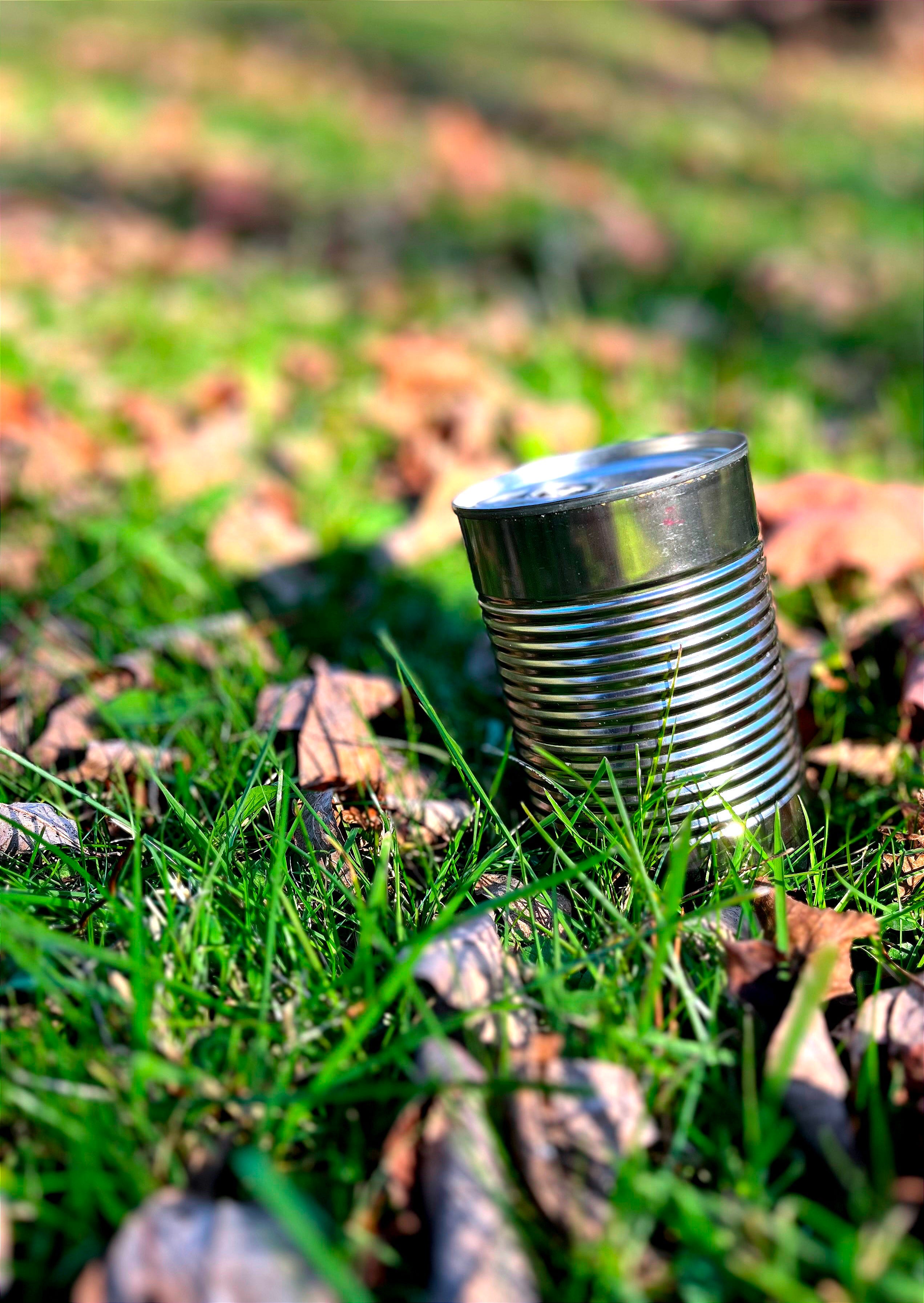
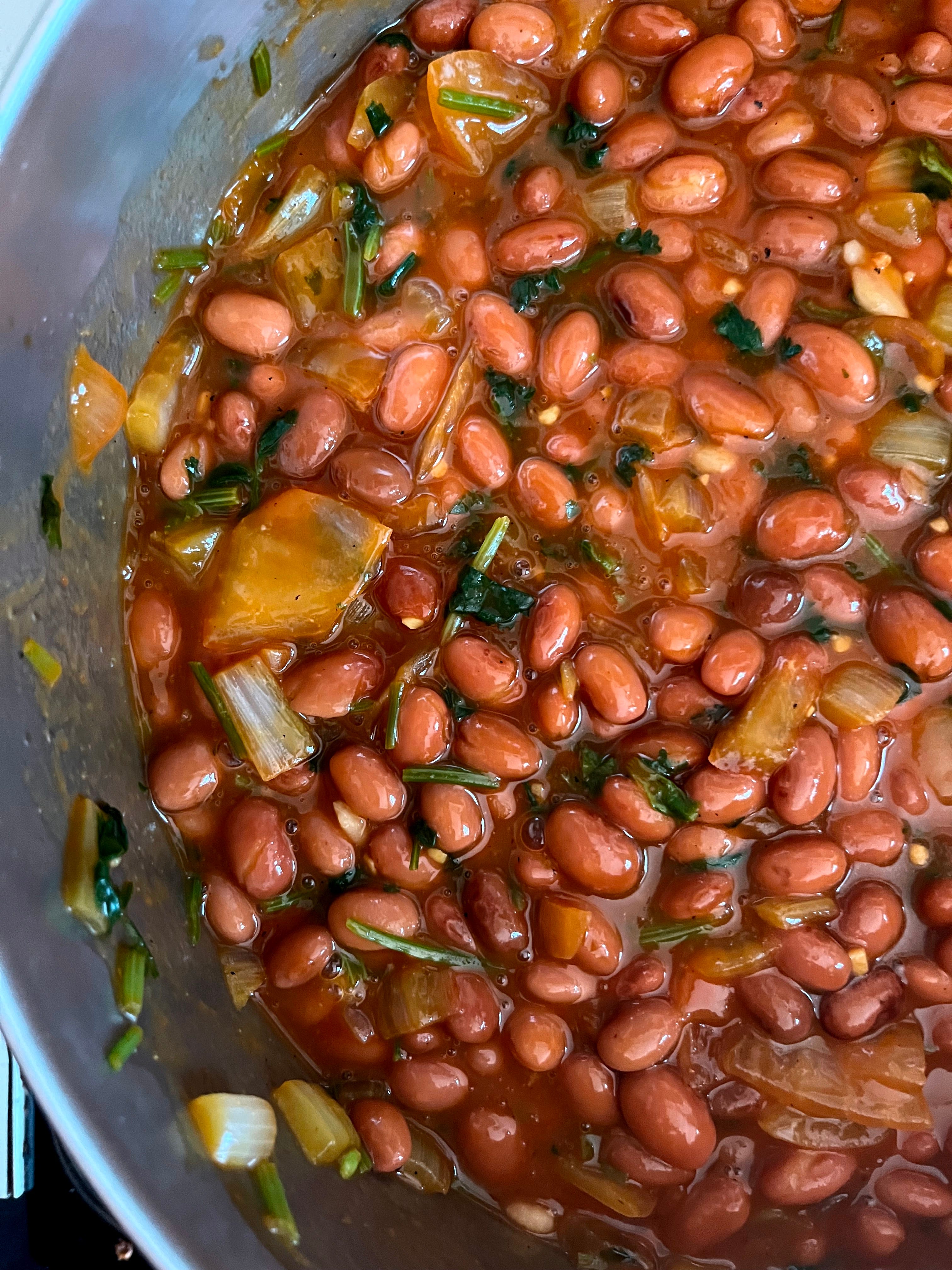
This week I was shopping for my son’s favorite vegetarian chili. I found myself getting pretty philosophical right there in the grocery aisle. I was struck by how oddly veggie chili must be perceived by grocers to be thusly sorted. Chili through the looking glass, struck me as a theme worth exploring. There was a whole shelf with cans of chili in one spot. There were tons of canned beans in another. There was “regular” soup somewhere totally different. It took me a while to finally locate the vegetarian chili I was there to find. Apparently the label on this chili had caused it to be perceived as something wholly different. It had been sorted in the specialty aisle on the very bottom shelf.
Labels and identities can and do evolve over time. Human beings, relationships, and identities evolve over time too. It is tricky to evolve how we understand each other when we walk away without asking questions. The way we think about differences and the way we sort ourselves can’t evolve when we are separated from everyone else or on the wrong shelf.
I started Love & Moxie because my vocation is in exploring how assumptions and labels impact our identity and choices. I find that most of life and the complexity of our identity exists beyond the cozy clarity of easy or agreed upon labels. Our systems, culture and so many of the labels we rely upon are complex. Some ideas and labels honestly do not even make sense! So it can add insult to injury when people act like the system that misfiled you according to a nonsensical label is actually, totally reasonable and demonstrably clear to everyone but you.
“Duh!” Of course vegetarian chili is not soup, beans or regular chili. Bro. How could you not know that?!”

I live in a region densely populated by physicians, clinicians, and dedicated educators. Where I live, there is a deep reverence for health, diagnostics, and attending to wellbeing through exercise and clinical care. I share a dedication to wellbeing and following best practices. But my vocation is in the realm of philosophy and epistemology. I am most interested in what our health and wellness disciplines ultimately point to at the end of the day.
What happens when our commitment to our own wellbeing and our integrity leads us away from connection to others? What if we are healthy and honest but detached from the group without knowing why?
Love & Moxie started with my bold determination to start talking about the meaning behind the labels and the methods behind the sorting. I am here as a guide through the in between places of our identity and community connections. I love to look deeply into assumptions and terms that may obscure what they originally set out to clarify. Do we all know what we mean when we say someone is typical? Do we all know what we mean when someone diverges from typical? I don’t think we do. Not by a long shot. And I think it is vital for us to make sure we are all agreeing on the premise before we get any further into the story of our lives.
I believe in checks and balances among disciplines. I think we have settled into unnecessarily rigid boxes. We forget that there are other ways to see what is here. Lawyers and mediators can help with divorce. Therapists and doctors can help with the body and mind. Group chat and a crystal ball might offer reassurance we could not find elsewhere. But there are vital areas of life in the intersections too. Can we grasp what might exist in between or around other disciplines? Can we allow space to reflect on whether a different view is needed to clearly see our lived reality? If we can’t even allow the questions outside certain rooms, I think that is powerful proof of how deeply our cultural assumptions impact our freedom to determine our own reality.
Are we all in agreement about why we are even here? If not, we should probably have a chat about what words we use to talk about how we live well while we are here. There are terms and labels that correspond with deeply flawed assumptions. These misunderstood labels cause nonsensical sorting that impacts our experience of life on every level. We don’t have to deny the importance of clinical care to consider diagnostic critique from a cultural or epistemological frame. We don’t have to deny the value of therapy to ask whether a cultural theory about community like the looking glass could deeply benefit our personal mental health. We are intersectional beings and our world is increasingly complex. Our approach to our self understanding needs to include the intersections and it needs to be open to critique from meaning making philosophers. A radically different view that is expansive and open can ensure we see ourselves and each other much more clearly.
If we can’t even agree on the labels or the premise we are starting from when we begin sorting, we can all too easily get lost in the soup.
Let’s trust our passionate self-awareness that emerges from our embodied core even if we don’t know what to label it. Trusting our gut is a great choice.
Once in a while self trust can require us to do something that is supposedly “out of character” or not really “us.” That doesn’t mean we need to suppress our intuition. Let’s stay curious about the contents underneath so many of the labels. Let’s commit to kicking the habit of silence around our identity and difference. Some labels might start in the doctor’s office or the library or in our diary at home. Some might be on a medical chart and others might be tattooed on our bicep. Honestly, there can be profound realizations that start out being hand drawn on a bathroom wall with a sharpie. No matter what, I don’t think a single word or label should immediately lead to a conclusion or getting shelved. I don’t think we should be so quickly and mindlessly sorting ourselves and each other. Labels can be powerful as identity markers. Labels can destroy our self esteem or ability to find true connection.
We will always need labels and sorting in some ways because we are human and we live in community. But we can update the definitions. And we can update the way we sort and see. I know - it’s daunting. But we have an internal GPS to help us out. Our embodied integrity acts as a phenomenal guide when we don’t know the labels or the updated guidance yet. The labels and sorting can catch up with us in time. For now, let’s start by trusting ourselves and bravely reach beyond what we have known to be clearly defined.